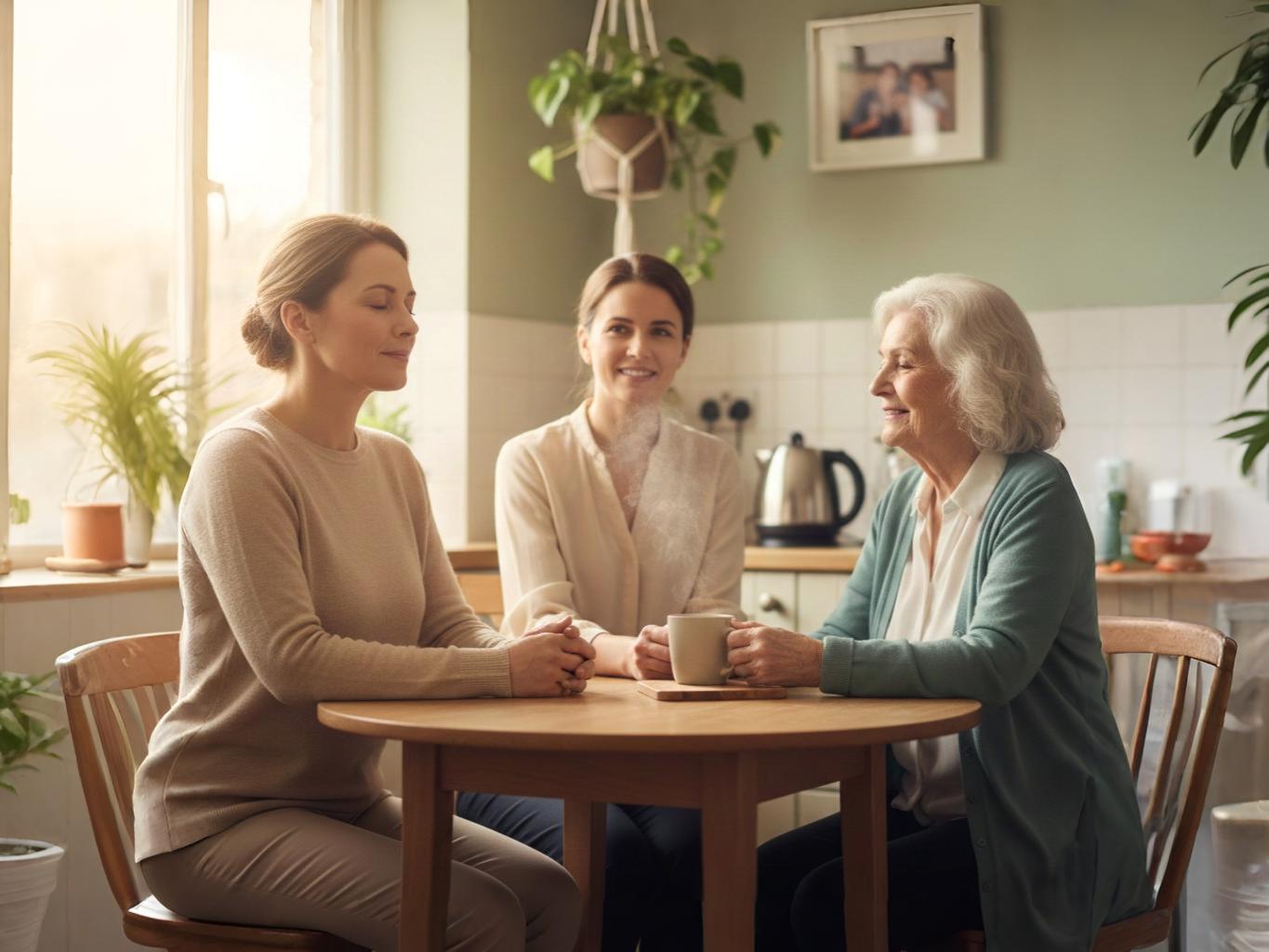

Caregiver burnout is real, and it shows up quietly. Long hours, constant responsibility, and emotional pressure all build up over time. Many family caregivers in the UK try to “push through” without support, but research from a trusted healthcare organisation shows that this usually leads to exhaustion, stress, and reduced quality of care.
This is where personal care and personal home care services make a measurable difference. When trained support workers step in, family caregivers finally get the space to rest, reset, and stay healthy, and continue with their own lives.
What Caregiver Burnout Actually Looks Like
Caregiver burnout is a recognised stress condition. Common signs may include:
- Constant tiredness
- Mood changes
- Difficulty concentrating
- Losing interest in social life
- Feeling overwhelmed
- Trouble keeping up with daily tasks
- Missing out on personal and social life
UK organisations like the NHS and Carers UK consistently highlight that lack of breaks is a major cause of this burnout. And once it sets in, both the caregiver and the person receiving support are affected.
How Personal Care Reduces Burnout
Personal care services offer hands-on support with routine tasks. This gives caregivers predictable time off, protects their health, and improves the overall care environment.
1. Daily Care Support Creates Reliable Breaks
Support workers step in for essential tasks such as:
- Bathing
- Dressing
- Meal preparation
- Medication reminders
- Mobility assistance
This allows family caregivers to step away without worrying about safety.
2. Rest Improves Mental and Physical Health
Rest isn’t a luxury. Studies consistently show that breaks lower stress, restore energy, and improve judgment. Caregivers who rest make safer choices and provide better care.
3. Reduced Physical Strain
Lifting, transferring, and helping with mobility can cause back pain and injuries. Personal care workers are trained in safe handling, protecting both the caregiver and loved one.
4. Improved Emotional Stability
Having planned support reduces anxiety. Caregivers report better sleep, better mood, and fewer feelings of guilt once they have regular assistance.
5. Long-Term Sustainability of Care
Without support, many caregivers eventually reach a breaking point. Personal home care services turn the situation into something sustainable for months or years.
Why UK Families Choose Personal Home Care Services
The biggest advantage is flexibility. Personal home care adapts to each family’s needs:
- A few hours a day
- Several visits each week
- Overnight support
- Live-in support
- Emergency or short-term cover
This means caregivers can schedule work, appointments, and personal time without disruption.
What Makes a Strong Personal Care Plan?
- Clear, Realistic Goals: Support should match daily needs without overwhelming the family.
- Trained and DBS-Checked Care Workers: This ensures safety and quality.
- Consistent Communication: Care notes, feedback, and routine updates keep the family informed.
- Flexible Scheduling: Needs change, good providers adapt quickly.
- A Person-Centred Approach: Support should respect independence, dignity, and routine.
Bridgegate Care follows these principles in every care plan.
Why Personal Care is Not Just for the Care Receiver
It directly benefits the caregiver:
- More rest
- Better emotional balance
- Improved health
- Safer care practices
- Stronger family relationships
When caregivers thrive, the person receiving support benefits too. Burnout doesn’t help anyone; structured personal care does.
How to Choose the Right Personal Home Care Service
Here’s what families look for:
- CQC-regulated provider
- Trained, compassionate staff
- Transparent pricing
- Tailored care plans
- Good communication
- Reliable scheduling
These factors reduce risk and create a safer environment at home.
Final Thoughts
Caregivers carry a huge responsibility. Trying to do everything alone leads to exhaustion, stress, and eventually burnout. Personal care and personal home care services offer practical, daily support that protects both the caregiver and the person receiving care.
Bridgegate Care provides structured, reliable assistance that helps families rest, recharge, and continue caring with confidence. With the right support in place, caregiving becomes sustainable and healthier for everyone involved.
How to support someone with caregiver burnout?
One of the most important ways to support someone with caregiver burnout is Respite care. Essentially, you can ask a friend or family member to care for your loved one for a few hours a day or week, but it is not a very healthy practice. However, you can look into an official respite care facility, which will support you more easily.
What are the effects of caregiver burnout?
Caregivers who experience burnout may feel tired, stressed, withdrawn, anxious, and depressed. This will impact a person in various ways, including physically, psychologically, financially, and socially.
What type of stress is faced by caregivers?
Some of the ways stress affects caregivers are depression and anxiety. Women who are caregivers are more likely than men to develop symptoms of anxiety and depression.
Why is self-care important for caregivers?
Health is wealth. Self-care begins with recognizing the importance of self-preservation and understanding that caregivers need nurturing, too.
What is another name for caregiver burnout?
Another name for caregiver burnout is Compassion fatigue. It is often referred to as secondary traumatic stress, a condition that affects caregivers who are constantly exposed to the trauma or suffering of others.