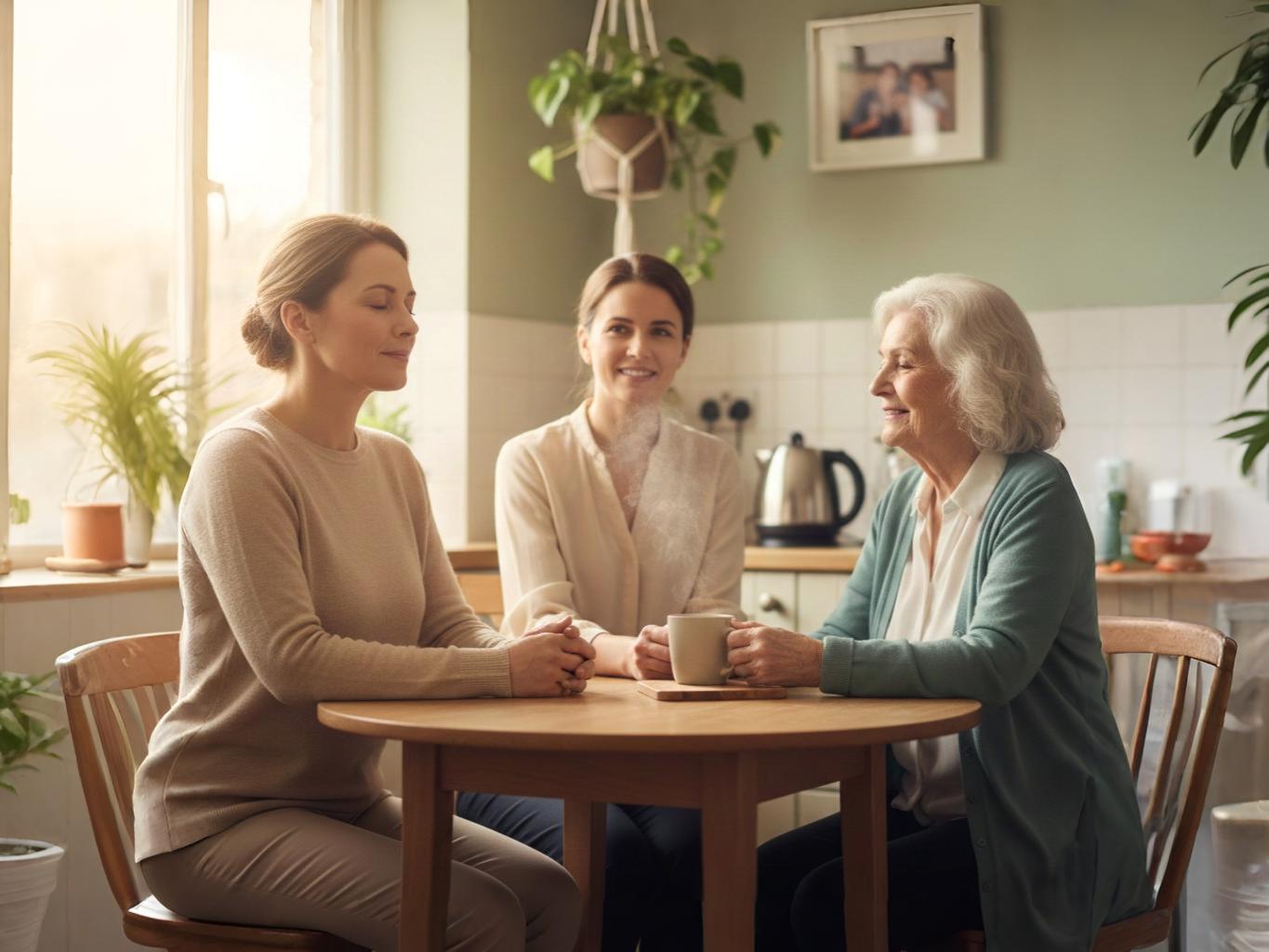

When families look into live-in care, they usually have one big concern, “Will this care actually benefit my loved one’s life?” That’s where personalised live-in home care services make a real difference. Good care does not follow a script. It follows the person who needs it and their preferences. Let’s break down how live-in caring becomes personal, practical, and genuinely helpful.
What Live-in Care Really Means
Live-in care means a trained carer lives in the home and supports daily life. This can include help with washing, dressing, meals, medication, mobility, and company. Unlike short visits, live-in care services offer constant in-house support. The carer adapts to routines instead of rushing through tasks. That alone changes everything and makes a big difference.
Why Personalised Care Matters So Much
No two people live the same way, and health conditions are not the same, either. Every condition has special needs according to the severity and the intensity. Personalised live-in caring helps to
- Keep daily routines familiar
- Reduce stress and confusion
- Improve safety and comfort
- Support emotional well-being
Care works best when it feels normal, not forced.
Step 1: Getting to Know the Person
A live-in care agency starts with a full care assessment. This usually happens at home. We look at:
- Health conditions and mobility
- Medication routines
- Daily habits and preferences
- Cultural and dietary needs
- Emotional and social well-being
- Family involvement
This step shapes everything that follows.
Step 2: Building a Care Plan That Fits Real Life
After the assessment, we create a care plan. This plan is practical and flexible. It covers:
- Morning and evening routines
- Personal care preferences
- Meals and nutrition
- Medication support
- Mobility and safety needs
- Social time and companionship
The plan changes when life changes. That flexibility keeps care relevant.
Step 3: Matching the Right Carer
Personal care works by building connections and being compassionate. This is why we carefully match carers based on:
- Experience with specific conditions
- Personality and communication style
- Cultural understanding
- Lifestyle preferences
A good match builds trust. Trust makes care smoother and more effective.
Step 4: Care That Adjusts Day by Day
Once care begins, everything revolves around the individual. Our personalised live-in care services may include:
- Waking up at preferred times
- Supporting hobbies and routines
- Encouraging independence
- Adjusting care during illness
- Offering reassurance and companionship
Step 5: Ongoing Support and Review
Personal care never stays fixed. We customize our plans according to the condition of the clients and their wellbeing. Thai includes,
- Review care plans regularly
- Stay in touch with families
- Adjust support as needs change
- Provide cover if carers need time off
- Ensure care meets UK standards
This ongoing support keeps care safe and reliable.
How Live-in Care Supports Independent Living
Many people do not like leaving their safe space and moving to a facility and we make that possible by providing live in care services. It helps by:
- Reducing fall risks
- Supporting medication routines
- Encouraging movement and activity
- Offering emotional reassurance
- Preventing early care home admission
For many families, this balance is key.
Final Thoughts
Personalised live-in care works because it respects the person first. A good live-in care agency does the following,
- Listens carefully
- Plans thoughtfully
- Matches carers well
- Adjusts care over time
- Supports independence with dignity
For families across Nottingham, UK, this approach brings peace of mind and real support.
FAQs
What Services are Provided at Home By an Live-in Care Agency Called?
Home care is a health service provided in the patient’s home to promote, maintain, or restore health or lessen the effects of illness and disability.
What are the Benefits of a Live-in Carer?
Here are a few benefits of a Live-in Care. It helps with 24/7 Care and Supervision. You stay in the comfort of your own home with personalized, One-on-One Attention. It supports daily activities. And offers companionship and emotional support.
What Services are Offered in a Care Home?
Residential care gives you 24-hour support. Staff will support you with most daily tasks, like washing and dressing. You also get meals, and there are social activities and events that you can choose to take part in.
How Does the Live-in Care Work?
A carer lives alongside you in your home, providing around-the-clock support, whenever needed.
What is the Most Common Service Used in a Home Care?
The most common type of service used is bathing and personal Hygiene, followed by helping with dressing and undressing. However, toileting assistance remains consistent.